




What a winery site has to do that most sites do not
A winery will spend four years getting a Cabernet right and then hand the website to whoever in the family is best with computers.
That is not a criticism, it is just what happens, and I have watched it happen enough times in the Walla Walla Valley to stop being surprised by it. The wine gets the attention because the wine is the thing.
The site gets built in a weekend on whatever platform somebody’s nephew recommended, and then it sits there for six years quietly costing money that nobody ever sees leave.
Winery website design is the work of making the site carry its share. Not look nice.
Carry its share.
Most small business websites have one job, which is to make somebody call. A winery site has four, they compete with each other for the same screen, and the order you put them in decides how much wine you sell.
You are selling a bottle to somebody in Seattle who has never tasted it. You are filling a tasting room on a Saturday for people who are already in town and deciding between you and the nine other places on the same road.
You are growing a club, which is the only revenue line that shows up whether or not anybody visits. And you are trying to get found by people who do not know your name yet, which is the slowest of the four and the one that gets cut first when the budget gets tight.
A site built for one of those will quietly fail at the other three. That is the whole problem with winery website design; almost nobody names it, because the conversation starts and ends with what the homepage should look like.
Why most winery sites are a photo album with a shop bolted on
Here is the shape you see over and over. A full-bleed vineyard photo at golden hour.
A short paragraph about the family and the soil. A gallery.
Then, somewhere down the page or hidden behind a menu item called Wine, an ecommerce plugin that looks like it came from a different website, because it did.
The photography is usually beautiful. The wine is usually good.
And the whole thing converts like a brochure left on a table, because a photo album with a shop bolted on is exactly what it is.
The tell is what happens on a phone. Load one of these on an iPhone on tasting room wifi and watch the hero image take four seconds to paint while the shop button sits below three screens of scrolling.
The person doing that is standing in your tasting room trying to buy a case to ship home. They will give up and ask somebody at the bar, which works, and which is why nobody ever finds out the site is broken.
The four jobs, in the order they pay
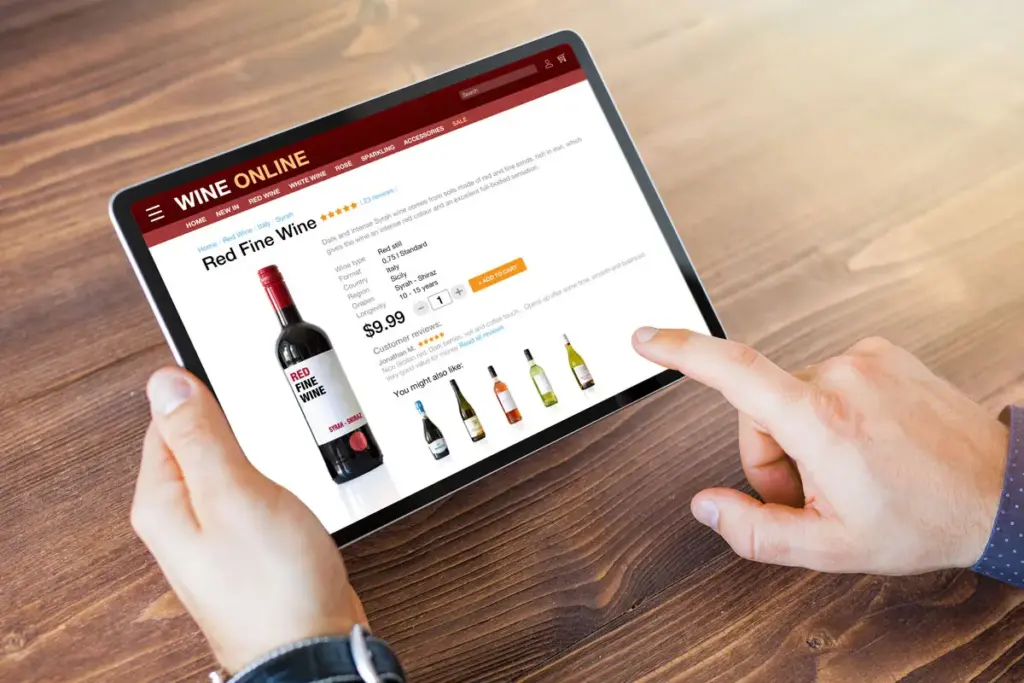
Selling the bottle
The product page carries the tasting note, the story, the vintage detail and the shipping reality without turning into a wall.
We build the shop into the site rather than beside it, so the cart behaves the same on every page and the checkout does not look like a different company. Compliance and shipping logic run through whatever platform the winery already uses.
Ripping out a working fulfillment stack to gain a slightly cleaner cart is a bad trade, and we will tell you so.
Filling the tasting room
This is a local search problem wearing a web design costume. Somebody is on Highway 12 with an afternoon free, and the thing that decides where they go is hours, location, whether reservations are required, and whether the page loaded before they gave up.
Put that above the fold, in text, not baked into an image.
Growing the club
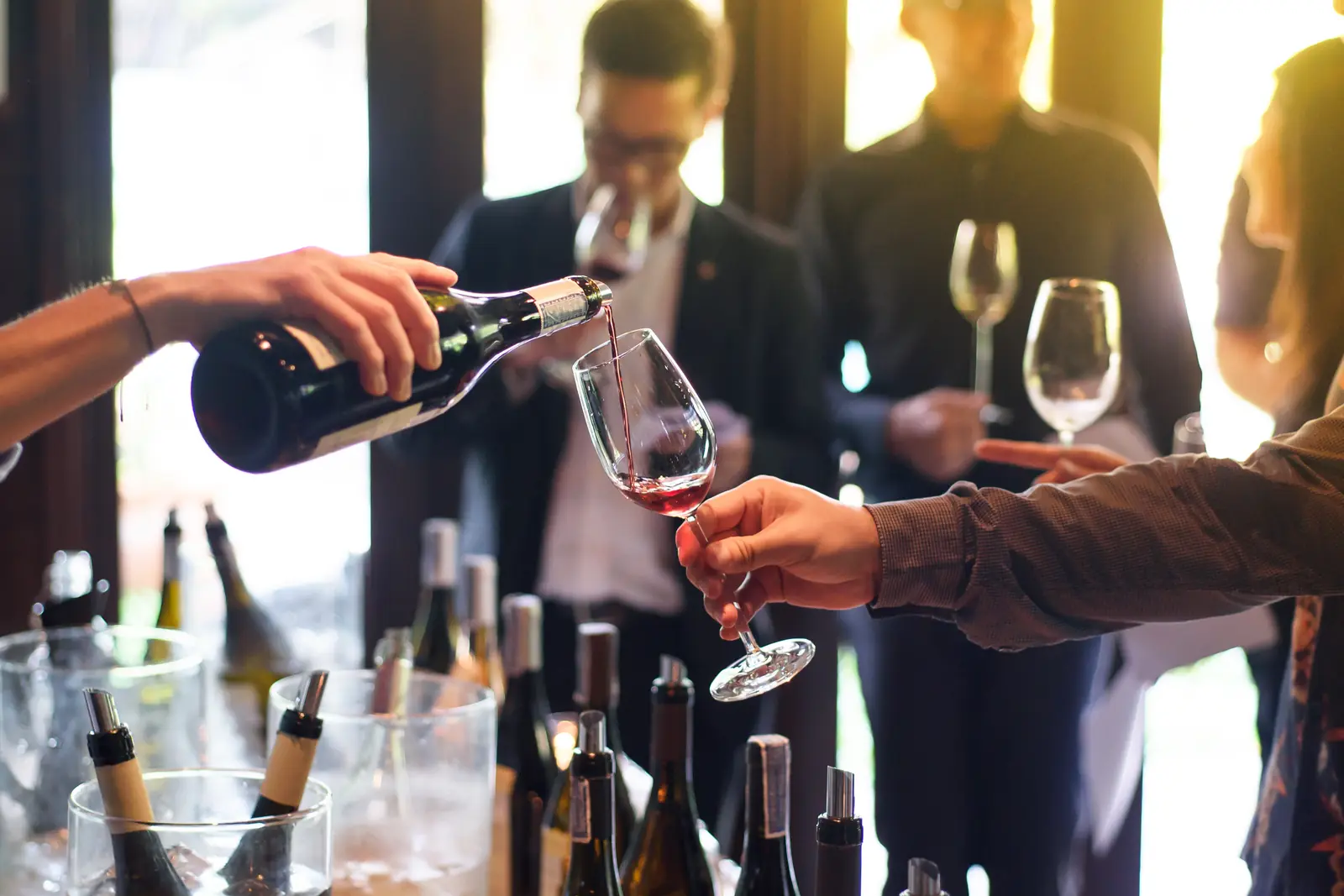
The club is the most valuable thing on the site and it is almost always the worst page on the site. It usually explains the tiers, lists the benefits, and asks for a decision that costs several hundred dollars a year, all in the tone of a terms of service agreement.
A club page has to sell the way a person at the bar sells, which is with a specific reason and a small number of words.
Getting found
Everything above only matters to people already looking at the site. Getting found is a separate discipline and it is the hub above this page: wine marketing covers search, ads, labels and club growth as one system.
A winery site built with clean semantic markup, fast server-rendered pages and a real page for each thing you sell is a site that can rank. One built as a single-page scroll with the content inside images is not, and no amount of later SEO work fixes it.
What we build
Hand-coded WordPress, custom block theme, no page builder. That sentence matters more than it sounds like it does, because the page builder is the reason most winery sites are slow, and slow is the reason the tasting room visitor gave up before the shop button appeared.
Every build includes the four job pages done properly and a real page for each wine and each club tier, rather than one page with everything on it.
It includes structured data, so Google can read the hours and the location without guessing; it includes a shop that behaves like part of the site rather than a visitor. You get the code.
You own the site, the content and the data, and if you fire us the site keeps working.
If the label is coming at the same time, wine label design and the site get built against the same type and the same palette. That is cheaper than doing them a year apart and discovering the label and the homepage disagree about what the winery looks like.
How long it takes
Six to ten weeks for most wineries, from the first content conversation to launch. The variable is almost never the build.
It is photography, tasting notes and the club copy, which are the three things that live inside the winery and cannot be outsourced to us.
Wineries that have their photography ready launch in six. Wineries waiting on harvest to shoot the vineyard launch in ten, and that is fine; a site launched with placeholder photography is a site you will hate in a month.
We would rather wait for the real vineyard than ship a stock one. The tasting notes are the same problem in a smaller package.
Whoever writes them at your winery is busy in October, so we ask for them in August and we ask for them in writing, because the notes read differently on a screen than they do out loud at the bar.
What moves a build from the low end to the high end
The low end is a small producer with a handful of SKUs, a club, and a tasting room to fill. The high end is a winery with two labels, a large allocation list, an events calendar and a shop doing real volume.
Ongoing management is separate and optional, and we will happily hand the whole thing to whoever runs your marketing if you would rather.
Common questions
Do I need to move off my current platform?
Usually not, and we will tell you honestly which situation you are in. Most sites can be rebuilt on their existing fulfillment and compliance stack, which keeps the part that is genuinely hard and expensive to replace.
The move conversation is real when the platform will not let you own your own content or when it is slow in a way that cannot be fixed from the outside.
Can I update the wines myself?
Yes, and you should. The site is built on the native WordPress editor with real content types for wines, vintages and club tiers, so adding a new release is filling in a form rather than calling us.
We would rather you did not need us for that.
What about shipping compliance?
That runs through your compliance provider, not through us, because the rules change by state and by season and a web designer maintaining that logic by hand is a liability. We integrate with what you use.
Will the site be fast?
Yes, and we will show you the number before and after rather than telling you it feels quicker. Hand-coded pages with no page builder and no plugin sprawl are fast by construction, which is most of the reason we build them that way.
Do you do the photography?
No. We will tell you exactly what to shoot and in what aspect ratio, and we will wait for it, because a winery site is mostly photographs and getting them wrong is expensive.